
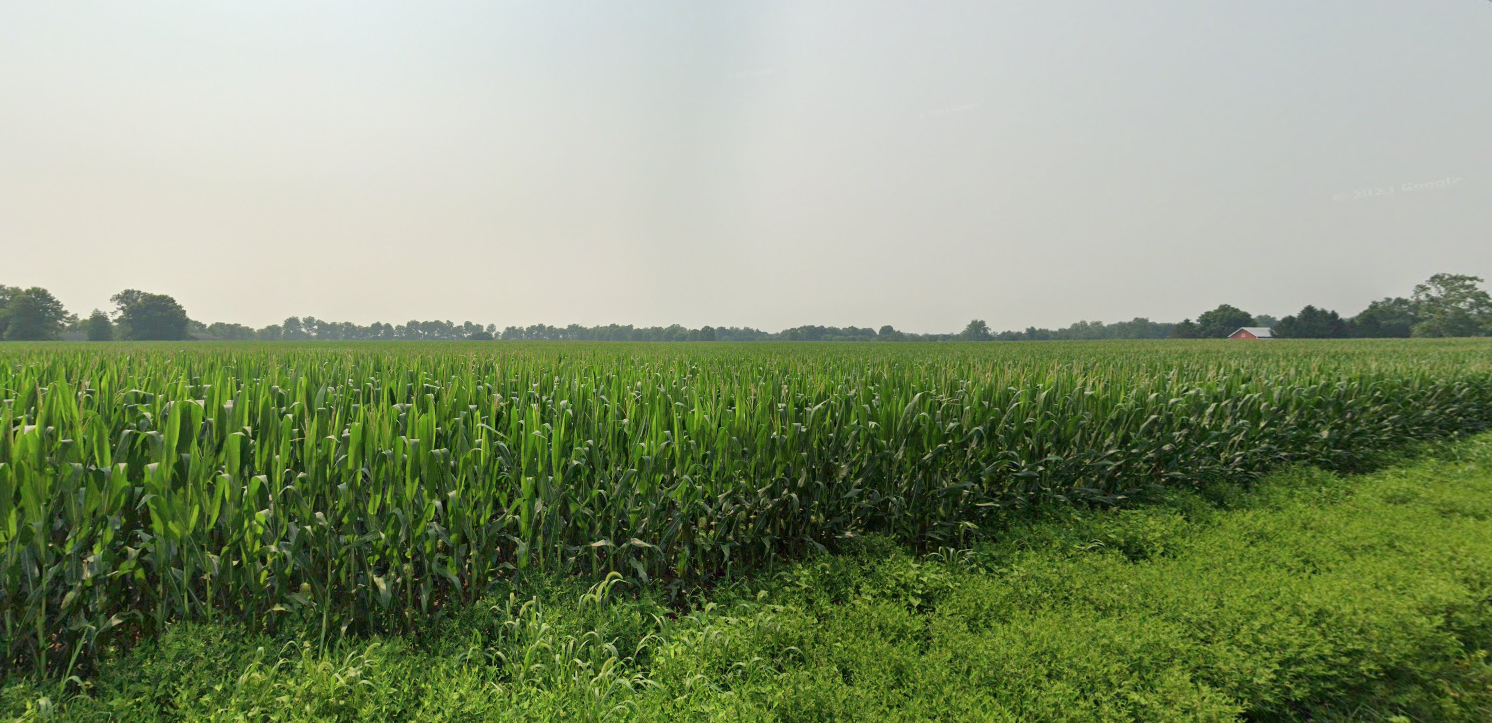
Old Telegraph Road- Clean Energy, Cultivated Locally.
At Lightstar, we grow a sustainable future through collaboration and shared purpose. Clean energy and working farmland aren't in competition—they thrive together. By bringing locally cultivated solar power to Cecil County, we help homeowners and communities reduce rising electricity costs, lock in stable energy prices, and invest in a more resilient future. This is more than a solar project. It's clean energy grown right here, for the people who live and work here.
Societal & Environmental Benefits


20% Savings to local LMI residents annually
3000 Metric Tons Removed
In 1 year, this project avoids 3000 metric tons of CO2. This is equal to avoided greenhouse gas emissions from:

7.5 million Miles Driven (average gas powered car for 1yr)


45,142 tree seedlings grown over 10 years
3,000 acres of U.S. forest conserved every year
Project Overview
The Old Telegraph Road project is a proposed 3 MWac community solar array located at 2423 Old Telegraph Road in Chesapeake City, Cecil County, Maryland. Designed as an agrivoltaic (AgPV) system, this project generates clean, renewable energy while keeping the underlying land in active agricultural production—rooting clean energy directly in the local landscape.
Through the local community solar program, Old Telegraph Road delivers lower energy bills directly to county residents, including qualifying low- to moderate-income households who can save 20% on their energy costs. Community solar lets local residents and businesses subscribe to the solar farm and receive credits on their power bills. You don't need to own panels or install anything on your roof—which means renters and homeowners without compatible rooftops can access clean, affordable energy grown right in their own county. By pairing renewable power with working farmland, we strengthen local grid resilience and keep valuable agricultural land in production.
Agricultural Integration
We designed the Old Telegraph Road array so the land stays fully productive throughout the life of the project. The site sits on a 30-acre leased parcel, with a limit of disturbance of just 21 acres. The layout uses single-axis tracker panels that follow the sun through the day, standing 9.5 feet tall with 24-foot row spacing. That generous spacing gives farm equipment room to move freely, while 8-foot agricultural fencing keeps the site secure without cutting the land off from the people who work it.
Once construction wraps up, daily life on the site stays quiet and low-impact. Traffic is limited to the farmer working the land and occasional operations and maintenance (O&M) visits, typically just one to two times per year. Because this is a solar project, it draws no county water or sewage—so there's no added strain on local infrastructure.
To ensure this dual-use model takes root and lasts, Lightstar partners with leading industry experts:
Solar Agricultural Services (SolAg): SolAg bridges the gap between solar developers and farmers, bringing deep expertise in agrivoltaic management so the land continues to produce alongside the panels.
American Farmland Trust (AFT): As a national partner of AFT, Lightstar actively commits to the Smart Solar™ initiative—working to scale agrivoltaics nationally and protect the farmland that local communities depend on.
Environmental & Community Impact
The Old Telegraph Road project delivers a powerful environmental benefit to Cecil County. The array abates roughly 3,000 metric tons of CO₂ equivalent every year—clean energy generation with zero local emissions.
Beyond clean power, the project cultivates real community and economic benefits:
Local Jobs: Construction will create an estimated 60–75 local jobs, driving regional economic impact and supporting area businesses.
Farm Preservation: Reliable lease income keeps prime farmland in active production, providing long-term financial stability for the landowner and the broader community.
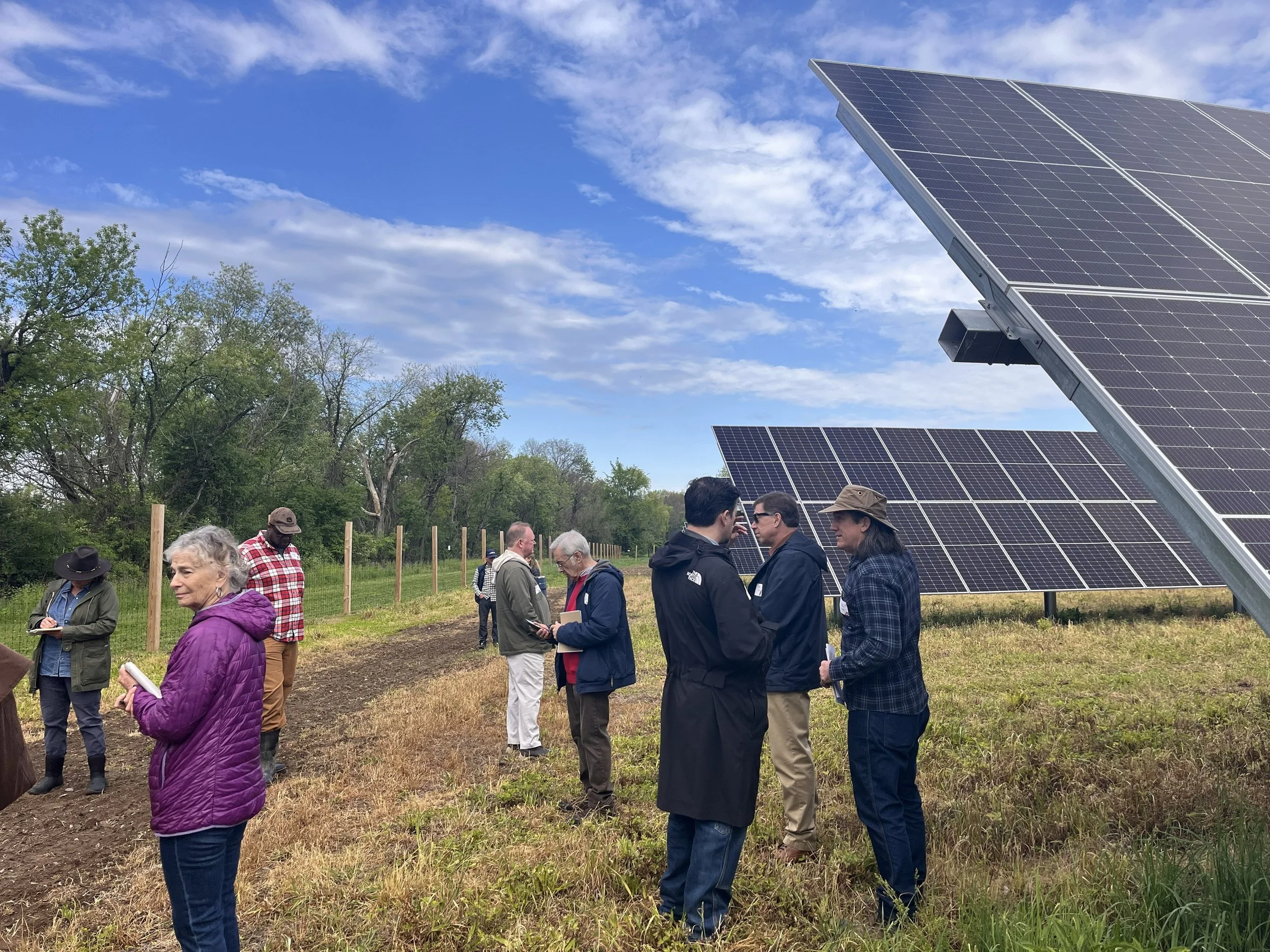
Educational Opportunities: The site offers hands-on research and educational opportunities for local schools and universities, building skills and careers at the intersection of clean energy and agriculture.
Temporary Footprint: The project makes no permanent changes to the land. At the end of its operational life, all equipment will be fully decommissioned and the property completely restored to agricultural use
Frequently Asked Questions
At Lightstar, transparency and community collaboration are at the core of how we work. We welcome questions and concerns from local residents, landowners, and stakeholders. Below are answers to the most common questions about Old Telegraph Road. If you have more, we encourage you to reach out—we're always glad to talk.
-
The landowner is willing to lease this site to Lightstar for the project, and the grid interconnection is viable here. Those two factors directed the siting of this project to this particular parcel.
-
Yes. A Phase I Environmental Site Assessment (Phase I ESA) was conducted. This is essentially a background check on the property that identifies any potential environmental issues or protected natural habitats. It draws on three sources: a site walkthrough, a review of historical and regulatory records, and interviews with people familiar with the property. The results were positive—no environmental risks were found on the property.
-
No. The project team consulted with the Maryland Department of Natural Resources (DNR) and the United States Fish and Wildlife Service (USFWS) to confirm there would be no impact to sensitive species. In fact, the project team is committed to preserving and protecting any endangered species or wildlife that may be present on the property. As such, they will follow all local and federal regulations regarding habitat protection during construction and beyond.
-
In order to minimize any potential impact to natural habitats, the project team has implemented several mitigation measures. These include limiting disturbance in sensitive areas, implementing erosion control measures, and using sustainable building materials. The site will also undergo regular monitoring during construction to ensure no unintended harm is being done to surrounding habitats.
-
Specific hiring decisions haven't been made at this stage. However, we're committed to supporting the local economy and will request bids from local installers as the project moves forward. We'll also offer Maryland prevailing wages for workers and will partner with safe, reliable construction firms—as we do on every Lightstar project.
-
A decommissioning bond is provided up front to cover future decommissioning costs. The State of Maryland holds legal leverage to ensure the owning entity—anticipated to be Lightstar—maintains or decommissions the facility in accordance with permit approvals. Once the project reaches the end of its useful life, it will be dismantled per the agreed-upon decommissioning plan, and the land will be fully restored to agricultural use.
Resources
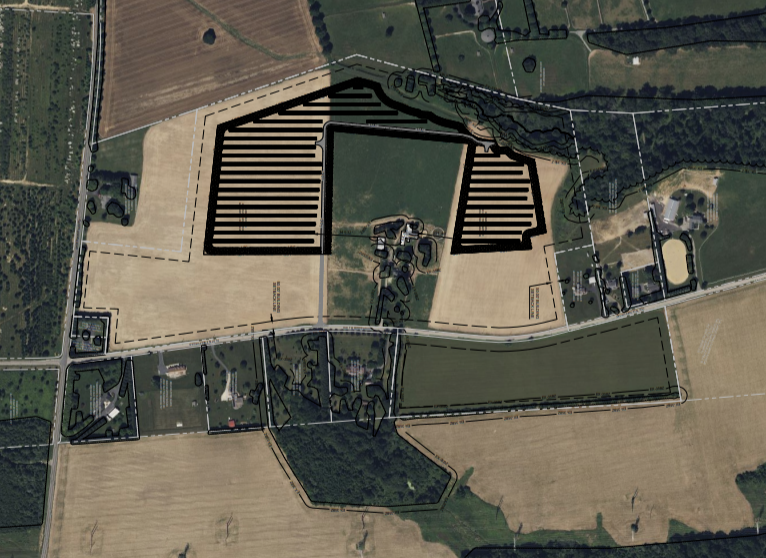
Project Visual Simulations
This image shows the current views and what the area will look like after the project is built.

Meet the Team
-
Liam Daley serves as a Development Manager at Lightstar, where he partners with farmers, landowners, and community leaders to build solar projects that work for everyone. He specializes in the logistics of community solar and Agrivoltaics (AgPV). Liam knows that your land matters. That is why he takes the time to listen to your needs and understand local priorities before a single panel goes on the ground, ensuring that we preserve and protect working farmland.
Liam uses his deep industry background to deliver real value to your community. He earned a Bachelor of Science in Environmental and Natural Resource Economics, along with a Certificate in Energy Economics and Policy, from the University of Rhode Island. He pairs this knowledge with hands-on experience from Eversource Energy, where he managed complex utility projects for over two years. Later, as a Market Strategy Analyst at Pine Gate Renewables, he helped expand clean energy across major markets. Today, he uses these practical tools to make the solar development process smooth, reliable, and transparent for you.
Liam respects the deep roots of rural communities and works hard to create solar installations that provide lasting financial and environmental rewards. He acts as a true partner in sustainable land use, ensuring every project makes a real difference for the neighbors it serves.
To discuss how community solar or AgPV can support your land and local goals, please reach out to connect with Liam and the Lightstar team today.

-
Allen leads Lightstar’s development team with an unwavering commitment to advancing clean energy solutions. Since joining the solar industry in 2017, Allen has successfully developed over 500MW of community solar-scale projects across 13 states, as well as a 120MW grid-scale project. His expertise ensures that every project is designed to maximize efficiency while prioritizing environmental stewardship.
With a unique blend of environmental science and legal expertise, Allen brings a thoughtful and holistic approach to solar development. He holds a Bachelor of Science in Natural Resources from Sewanee The University of the South, a Master of Science in Conservation Biology from Antioch University of New England, and a Juris Doctor from Vermont Law School. This multidisciplinary background enables him to navigate the complexities of solar development while focusing on minimizing environmental impacts and fostering sustainable energy transitions.
But it’s not just about individual achievements for Allen - he truly believes that collaboration is key to achieving our goals. That’s why he works closely with local governments, landowners, and stakeholders to ensure that our projects are mutually beneficial for all parties involved. By fostering strong relationships and finding common ground, we can create lasting positive impacts through solar energy.
At Lightstar, Allen’s leadership reflects our collective mission to create innovative, sustainable solar projects while building long-term partnerships with communities and landowners. He is passionate about ensuring that solar energy not only delivers clean power but also contributes positively to the land and communities we serve.
About Lightstar
Stewards of the Land, Backed by Institutional Capital
You’ve never met a solar company like us. We’re one of the few providers that own and operate all of our projects, and one of the first to offer landowners the opportunity to maintain the agricultural viability of their land through agrivoltaics.
Lightstar’s immediate parent company is Eagle Creek Renewable Energy. Founded in 2010 to acquire, enhance, and operate small hydroelectric power facilities, Eagle Creek’s affiliates currently own and operate 84 hydroelectric facilities representing 691 megawatts of capacity across the United States. Eagle Creek is a wholly owned subsidiary of Ontario Power Generation, one of the largest, most diverse power generators in North America.
Lightstar Gives Back

The Lightstar Gives Back program supports organizations and issues through donations, sponsorships and resources to help foster vibrant communities and sustainable economic development. We want to be involved in ways that will have a lasting, meaningful impact.
Developed and launched by the policy team at Lightstar, The Solar and Farming Association (SAFA) is a coalition of organizations representing the interests of the agrivoltaics (AgPV) industry including developers, agricultural producers, livestock producers, and affiliated organizations focused on expanding and integrating solar and sustained agricultural production on the same parcel of land.
SAFA’ s mission is to grow commercial crop and livestock agrivoltaics in the United States.
Reach out to us!
Our Accreditation
